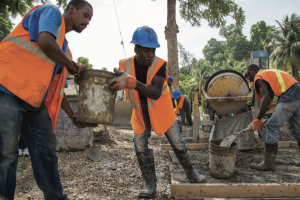
The CBDRR approach developed by Solidarités International is a participatory methodology that places affected communities at the centre of disaster risk analysis, planning, and action. It combines local knowledge with technical expertise to identify hazards, vulnerabilities, and capacities, and translates this shared analysis into concrete preparedness, mitigation, and response measures implemented at community level.
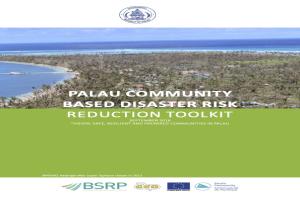
The Palau CBDRR Toolkit strengthens “bottom-up” resilience by linking the national framework and state plans to the community/hamlet level. It covers preparedness topics such as early warning and operational procedures for disseminating alerts. It includes a participatory vulnerability assessment with attention to the needs of vulnerable groups. It promotes community engagement and an organized response through local committees (e.g., search and rescue and relief/assistance).
Contribution
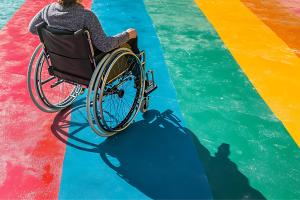
Integrating people with disabilities into risk and disaster management.
Solution

Guiding schools to assess hazards, reduce risks, and co-design SOPs
Solution
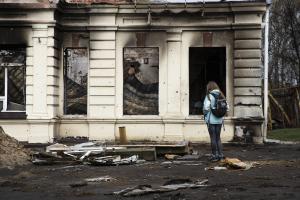
Providing planning resources, guidance, and strategies for community resilience.
Solution

Integrated multi-hazard early warning and risk intelligence platform
Case

Multi-hazard and impact-based early warning system promoting a participatory approach
Case
The Finnish comprehensive security model is a networked, whole-of-society framework that ensures societal resilience during crises through local responsibility, preparedness networks, exercises, and a culture of trust.
Case

Turning scientific research into practical preparedness and planning tools
Case
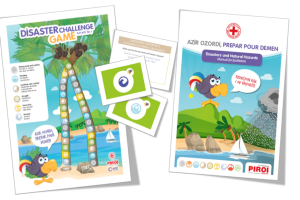
Disaster preparedness educational programmes for children and youth.
Case