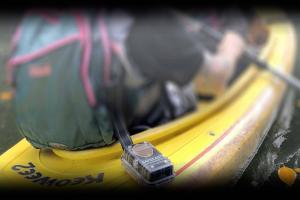
Safecast designs and deploys open hardware and software tools that enable citizens and experts to collect, share and access high-quality environmental data. Originating from a post-disaster information gap, Safecast promotes transparency, public trust and evidence-based decision-making through open data and community-driven monitoring.
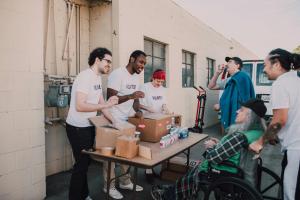
ROHCMUM is a formalised coalition (incorporated since 2007) that convenes community and humanitarian organisations, municipal civil security, and Québec public-safety actors.
It focuses on preparedness and operational coordination for “major disasters,” improving how organisations mobilise, communicate, and deliver support to affected populations.
Its core offer includes structured workshops (initiation, emergency measures plan, business continuity, mobilisation/coordination) facilitated by specialists.
Case
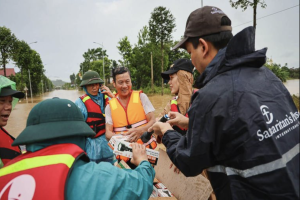
The Framework on Community-Based Disaster Risk Management establishes a standardized yet adaptable approach for engaging Vietnamese communities in assessing risks, planning preparedness measures, and implementing locally appropriate disaster risk reduction actions.
Case
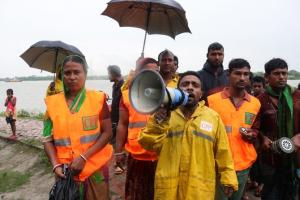
The Cyclone Preparedness Programme is a joint initiative of the Government of Bangladesh and the Bangladesh Red Crescent Society, combining state early warning systems with last-mile, volunteer-led community action to ensure timely evacuation, preparedness, and lifesaving response in cyclone-prone coastal areas.
Case
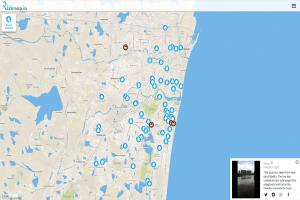
RiskMap is an open, transparent, web-based platform that collects verified, real-time disaster reports from citizens via social media/chatbots and visualizes them on an interactive map.
Residents report hazards (e.g., flood location/depth, road closures, storm damage) and the map helps communities avoid danger and navigate to safety.
Emergency managers can use the same data stream (and, in some deployments, a dedicated dashboard) to support situational awareness and response planning.
Contribution
The "SMURD Mobile Training Center / Caravan – Be prepared" project is a truck-based mobile classroom providing hands-on first aid and emergency preparedness training to various locations in Romania.
It includes lectures and demonstrations using equipment and simulators, led by IGSU/SMURD staff.
The goal is to increase citizens' ability to respond appropriately when "every second counts," reducing the risks associated with events such as fires, floods, or earthquakes.
Contribution
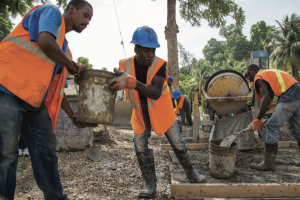
The CBDRR approach developed by Solidarités International is a participatory methodology that places affected communities at the centre of disaster risk analysis, planning, and action. It combines local knowledge with technical expertise to identify hazards, vulnerabilities, and capacities, and translates this shared analysis into concrete preparedness, mitigation, and response measures implemented at community level.
Contribution
A post-wildfire recovery initiative that mobilized conservation corps youth as a trained, paid workforce to support environmental and community recovery in fire-affected areas of Los Angeles County.
Contribution
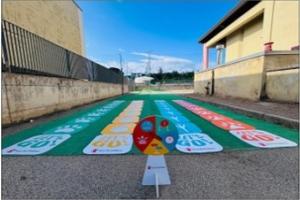
The project consists of three structured workshops: Explore (building awareness of risk and resilience through storytelling and games), Experience (role-playing emergency scenarios to practice safe behaviors), and Participate (hands-on engagement via VR or the dynamic team game “Corri il Rischio”). The initiative equips children with practical skills for emergency preparedness and fosters collaboration, decision-making, and climate crisis awareness, positioning Feel Safe as a pioneering model for integrating technology and education in resilience-building.
Contribution
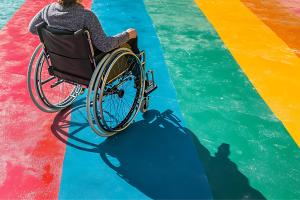
Integrating people with disabilities into risk and disaster management.
Solution