EDURES provides a comprehensive conceptual and operational toolkit for assessing, planning and strengthening the resilience of educational ecosystems, enabling education authorities and stakeholders to prepare for, respond to and adapt to crises while ensuring continuity, accessibility and democratic values in education.
Contribution
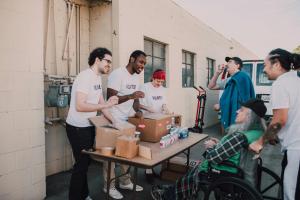
ROHCMUM is a formalised coalition (incorporated since 2007) that convenes community and humanitarian organisations, municipal civil security, and Québec public-safety actors.
It focuses on preparedness and operational coordination for “major disasters,” improving how organisations mobilise, communicate, and deliver support to affected populations.
Its core offer includes structured workshops (initiation, emergency measures plan, business continuity, mobilisation/coordination) facilitated by specialists.
Case
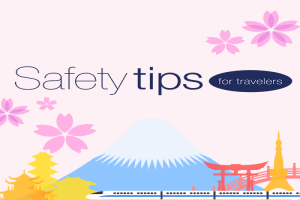
Safety tips combines a traveler-focused safety website and a push-alert smartphone app to help people in Japan react quickly during hazards.
It provides multilingual alerts (e.g., earthquake/tsunami/weather) and practical guidance such as evacuation flowcharts and helpful phrases for communicating locally.
The emergency section organizes procedures to follow for multiple scenarios (earthquake, tsunami warnings, evacuation information, volcanic warnings, heat stroke alerts).
Solution
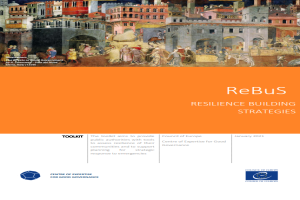
ReBuS provides a structured methodological framework and operational tools to assess community resilience and to guide strategic planning and public action in the context of crises, emergencies, and systemic change, through a holistic, participatory and multi-level approach.
Contribution
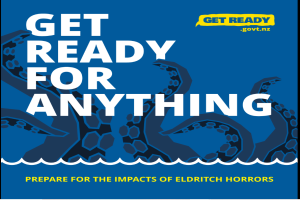
Get Ready (NEMA - New Zealand) is a national preparedness platform that offers practical instructions for preparing for and responding to multi-risk emergencies (before, during, and after).
The site addresses the problem of low self-sufficiency in a crisis, promoting family/community plans, kits, and supplies (e.g., water and grab bags). It includes specific guidance for vulnerable groups (disabilities, the elderly, children) and pets, with accessible and multilingual resources.
Case
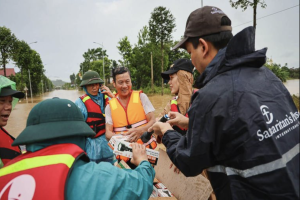
The Framework on Community-Based Disaster Risk Management establishes a standardized yet adaptable approach for engaging Vietnamese communities in assessing risks, planning preparedness measures, and implementing locally appropriate disaster risk reduction actions.
Case
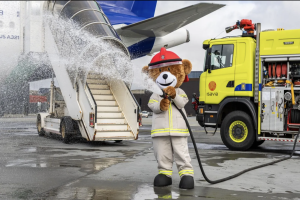
Bjørnis is a child-centred risk communication and psychosocial support initiative that uses a firefighter teddy bear to reduce fear, support emotional regulation, and improve children’s understanding of emergencies and safety behaviours.
Case
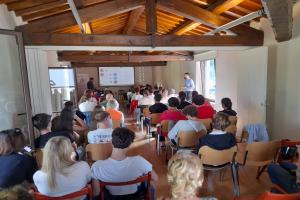
The CiVà Project – Engaged Citizenship, Active Volunteering was developed with the aim of updating the Municipal Civil Protection Plan of the Municipality of Lucca, in accordance with the National and Regional law, through a participatory process involving citizens, institutions, associations, economic operators, and schools.
Case
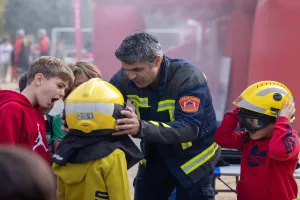
A nationwide, recurring fire-risk awareness and prevention campaign that uses experiential learning and direct interaction with firefighters to improve household preparedness and reduce fire-related injuries and damage.
Case
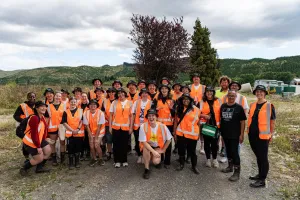
The Student Volunteer Army (SVA) is a youth-led, university- and school-based volunteer initiative in New Zealand, focused on building resilient communities through crisis response and ongoing community support. The organisation mobilises tens of thousands of volunteers to assist communities during and after disasters, while cultivating a culture of service and leadership among young people. Partnerships with organisations and funders amplify SVA’s reach and impact.
Case