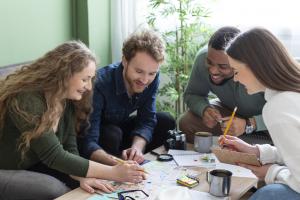
A role-playing game that simulates a cyber-attack on a community's critical infrastructure. Participants must collaborate to prioritize resources, communicate with the public, and maintain essential services under stress.
The Fire Kills campaign (UK) aims to reduce deaths and injuries from home fires by promoting prevention, early detection, and escape plans. The focus is on increasing the number and proper placement of smoke detectors (including interconnected ones) and improving safe behaviors at home. It offers practical advice on common risks and what to do in the event of a fire. It focuses on vulnerable groups (elderly, disabled, and hearing-impaired) and provides information on possible local home fire safety visits.
Case
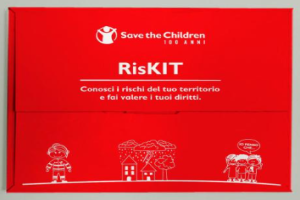
RisKIT is an educational game designed for primary schools that combines learning and fun to raise awareness among children about environmental risks and prevention measures. It includes practical exercises such as creating a risk calendar and an emergency kit, while also integrating knowledge of children’s rights in crisis situations. The goal is to develop collaboration and responsibility skills from an early age.
Solution
“Who’s most at risk?” is a tested and freely available educational toolkit consisting of teacher’s notes, pupil activity sheets, character profiles, key-word lists, chance cards and hazard scenario cards. It supports a 15–20 minute role-play in which pupils adopt the identities of people living in different parts of the world and physically move forwards or backwards according to statements about age, income, education, housing, disability, location and access to information or savings.
Solution
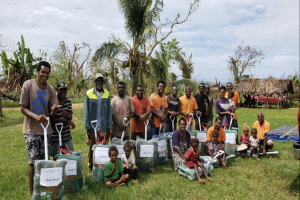
The case illustrates how disability-inclusive DRR has been advanced in Vanuatu by shifting from ad-hoc inclusion to more systematic engagement of persons with disabilities and their representative organisations in preparedness, response planning, and community decision-making.
Case
The case illustrates how disability-inclusive DRR has been advanced in Vanuatu by shifting from ad-hoc inclusion to more systematic engagement of persons with disabilities and their representative organisations in preparedness, response planning, and community decision-making.
Contribution
A qualitative study analysing how hill-based households in Napier could support tsunami evacuees after a major earthquake, focusing on social capital, preparedness, and informal hosting capacity.
Contribution