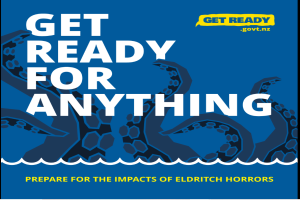
Get Ready (NEMA - New Zealand) is a national preparedness platform that offers practical instructions for preparing for and responding to multi-risk emergencies (before, during, and after).
The site addresses the problem of low self-sufficiency in a crisis, promoting family/community plans, kits, and supplies (e.g., water and grab bags). It includes specific guidance for vulnerable groups (disabilities, the elderly, children) and pets, with accessible and multilingual resources.
Case
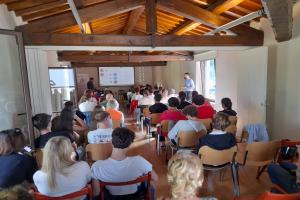
The CiVà Project – Engaged Citizenship, Active Volunteering was developed with the aim of updating the Municipal Civil Protection Plan of the Municipality of Lucca, in accordance with the National and Regional law, through a participatory process involving citizens, institutions, associations, economic operators, and schools.
Case
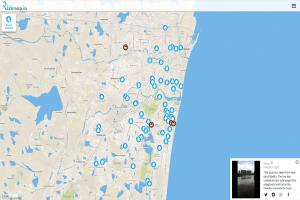
RiskMap is an open, transparent, web-based platform that collects verified, real-time disaster reports from citizens via social media/chatbots and visualizes them on an interactive map.
Residents report hazards (e.g., flood location/depth, road closures, storm damage) and the map helps communities avoid danger and navigate to safety.
Emergency managers can use the same data stream (and, in some deployments, a dedicated dashboard) to support situational awareness and response planning.
Contribution
The "SMURD Mobile Training Center / Caravan – Be prepared" project is a truck-based mobile classroom providing hands-on first aid and emergency preparedness training to various locations in Romania.
It includes lectures and demonstrations using equipment and simulators, led by IGSU/SMURD staff.
The goal is to increase citizens' ability to respond appropriately when "every second counts," reducing the risks associated with events such as fires, floods, or earthquakes.
Contribution
The CiVà Project – Engaged Citizenship, Active Volunteering was developed with the aim of updating the Municipal Civil Protection Plan of the Municipality of Lucca, in accordance with the National and Regional law, through a participatory process involving citizens, institutions, associations, economic operators, and schools.
Contribution
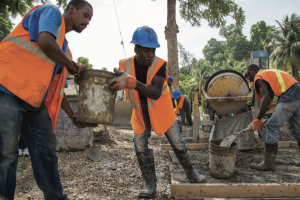
The CBDRR approach developed by Solidarités International is a participatory methodology that places affected communities at the centre of disaster risk analysis, planning, and action. It combines local knowledge with technical expertise to identify hazards, vulnerabilities, and capacities, and translates this shared analysis into concrete preparedness, mitigation, and response measures implemented at community level.
Contribution
A post-wildfire recovery initiative that mobilized conservation corps youth as a trained, paid workforce to support environmental and community recovery in fire-affected areas of Los Angeles County.
Contribution
A qualitative study analysing how hill-based households in Napier could support tsunami evacuees after a major earthquake, focusing on social capital, preparedness, and informal hosting capacity.
Contribution