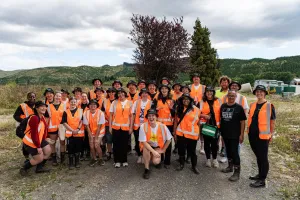
The Student Volunteer Army (SVA) is a youth-led, university- and school-based volunteer initiative in New Zealand, focused on building resilient communities through crisis response and ongoing community support. The organisation mobilises tens of thousands of volunteers to assist communities during and after disasters, while cultivating a culture of service and leadership among young people. Partnerships with organisations and funders amplify SVA’s reach and impact.
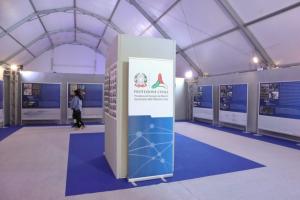
“Terremoti d’Italia” (Earthquakes of Italy) is a touring exhibition promoted by the Italian Department of Civil Protection, designed to raise public awareness and understanding of seismic risk in Italy. The project combines scientific knowledge, historical memory, technological innovation, and experiential learning to strengthen a culture of prevention. Through an accessible, interactive, and multidisciplinary approach, the exhibition engages citizens of all ages, particularly young people, encouraging them to take an active role in disaster risk reduction.
Case
Ready.gov provides a comprehensive framework for individual and community preparedness, focusing on four pillars: staying informed, making a plan, building a kit, and getting involved.
Contribution
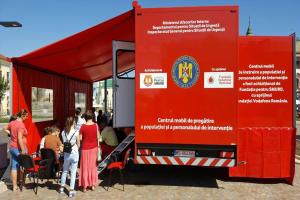
The "SMURD Mobile Training Center / Caravan – Be prepared" project is a truck-based mobile classroom providing hands-on first aid and emergency preparedness training to various locations in Romania.
It includes lectures and demonstrations using equipment and simulators, led by IGSU/SMURD staff.
The goal is to increase citizens' ability to respond appropriately when "every second counts," reducing the risks associated with events such as fires, floods, or earthquakes.
Case
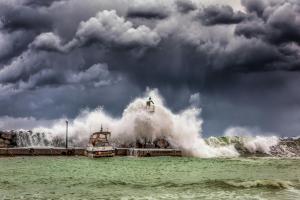
The Regional Tsunami Project is a regional initiative launched in 2017 by UNDP with funding from the Government of Japan to strengthen tsunami preparedness in schools and communities across the Asia-Pacific. The project works with governments and school systems to institutionalize risk education and evacuation drills, improve evacuation planning and routes, and make the drills regular and replicable.
Case
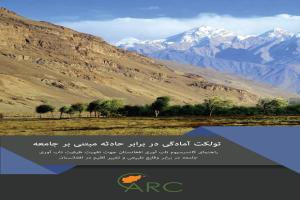
ARC’s CBDP toolkit helps communities turn data on risks, vulnerabilities, and capacities into a practical disaster preparedness and response plan. It was developed in Afghanistan, where poverty, weak infrastructure, and environmental degradation increase the impact of floods, droughts, landslides, and other hazards. The approach is participatory (focus groups, observation, feedback) and involves local structures such as the CDMC/CDC, with actions phased into emergency, short, medium, and long-term. It also integrates environmental aspects and climate projections.
Solution
The Territori Aperti Disaster Preparedness Toolkit is a dynamic tool that gathers existing experiences and transforms them into useful recommendations and procedures for public bodies and citizens.
Solution
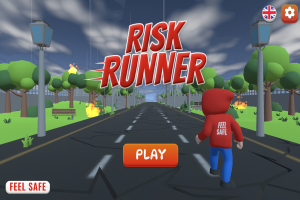
Risk Runner is an interactive video game designed for children aged 9 to 12, which transforms learning about safety into a dynamic and fun experience. Through realistic scenarios – such as floods, forest fires, earthquakes, and environmental crisis – players face challenges and mini-quizzes that teach them how to behave correctly in an emergency. The game combines racing and gamification elements with educational content, promoting awareness, prevention and resilience.
Solution
This guide provides practical strategies for engaging children as active participants in disaster risk reduction. It frames children not merely as vulnerable groups but as agents capable of contributing ideas, identifying risks, and supporting community preparedness. Through participatory methods, case studies, and hands-on activities, the guide demonstrates how children can be meaningfully involved in planning, prevention, and resilience-building at the community level.
Solution
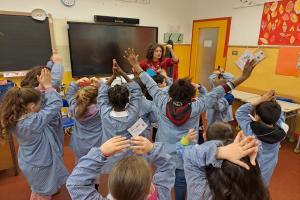
The Ritorno Com’E.Ro. project was launched by Save the Children Italia in response to the devastating floods that struck Emilia-Romagna in May 2023. Its primary aim was to restore educational continuity for children and adolescents affected by the disaster, while fostering resilience and awareness of risk prevention within the school community. The initiative ran from November 2023 to May 2024 and involved 54 classes across five schools, reaching more than 1,100 students.
Case